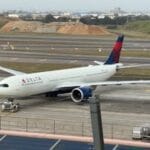





Although the Delta flight DL275 diverted LAX on 28 May 2025 Ever found yourself staring out the airplane window, heart pounding, as the captain’s voice says, “Folks we’re making an unexpected turn heading to L.A.”? That’s what passengers aboard Delta’s DL275 experienced just a couple of months ago. And honestly it’s kind of wild when you sit and really think about it. Let me walk you through what happened, how it played out, and why it matters kind a like how I’d tell a friend over coffee.
So What Actually Happened up There?
Picture this: May 28, 2025. DL275, packed with hopeful travelers heading from Detroit to Tokyo, is cruising over the North Pacific. All’s quiet, everyone is catching Zs or binge-watching. Then boom a warning light flashes. The Rolls-Royce Trent XWB engine’s anti-ice system isn’t doing its job. Now, sure, not every warning means doom… but over a frozen ocean, that’s a big red flag. With no backup approach, the pilot made the call: divert to LAX. Smart move. Safety first. So there might be a question in your mind that why do flights diverts ? We will explain it
Why L.A.? Anchorage or SFO Didn’t Do?
You might think, “Why not Anchorage or even San Francisco?” Well… here’s the deal. LAX isn’t just a big airport it’s a Delta A350 hub with engine techs on call, runway space, customs, and rerouting hubs all under one roof. Anchorage? Too remote. San Francisco? Maybe, but LA had the full setup for a quick and safe fix.
Touchdown and What Happened Next
DL275 touched down at LAX about five-and-a-half hours after they decided to divert. No drama during the landing just a smooth glide onto the runway. Engines off, and then things got busy: mechanics buzzing around, passengers getting meals, hotels, and rebooked flights. The plane stayed grounded roughly 18.5 hours, enough for all checks and repairs.
Let’s Be Real— DL275 Passengers Were Stressed
I’ve been in a diversion before it’s unnerving, right? You hear about DL275’s saga on social media, and people were spooked at first. But from what I’ve read, the crew was the calm in the storm explaining, reassuring, just being those cool-headed figures you want mid-air.
“At first we were confused… but the crew handled everything professionally. Felt very safe.”
LAX steps up too hotels, meal vouchers, rebookings. Small comforts when you’re miles from your destination.
Tip of the Iceberg: What It Cost Delta 275
Turns out, these things hurt wallets more than people. Estimates hover around $2 million covering fuel for the extra miles, staff, passenger perks, and lost revenue. Ouch.
And here’s a kicker predictive tech and AI might have flagged that fault before takeoff. You read that right: with the right sensors watching the anti-ice system, no detour needed, no panic.
Quick Takeaways (Because TL;DR Happens)
Safety is non-negotiable
better to land somewhere safe than press on into risk.
LAX was the unsung hero
quietly the best choice for logistics, equipment, and passenger care.
Emotions ran high
but the crew and staff made a tense moment manageable.
Tech could change the game
AI-powered maintenance, anyone?
FAQs
Q: What triggered the diversion?
A glitch in the engine’s anti-ice system caused by sensor or subsystem fault.
Q: Why not continue the flight to Tokyo?
Because icing over a frozen ocean = not worth the risk. LAX was safer.
Q: Was everyone okay?
Yes no injuries. Passengers got support; the incident ended safely.
Q: Could tech have prevented this?
Absolutely. Predictive monitoring could’ve flagged the issue hours earlier.
Why This Flight Matters to You
If you’re just a traveler, this story sets your expectations be patient, safety comes first, and airline crews deserve props. If you’re in aviation or just curious it’s a nudge to tech’s role in stopping emergencies before they start.
So, next time someone mentions a diversion, lean in, ask why, and take note. Because every reroute has a story—one about safety, decisions, and the incredible people who keep us flying smartly.